2024: ESPR regulation adopted
2026: First product categories mandatory
2027-2030: Phased rollout across sectors
Affected sectors: Electronics, textiles, furniture, batteries, construction, packaging
From the very first spark of origin and the cultures that give materials their meaning, through every transformation, every hand that shapes them, and every mile they travel, all the way to the moment they reach you. Each step is guided by respect for legal and ecological requirements.
Story of Product harmonizes regulatory compliance with authentic storytelling, honoring the human ingenuity and cultural wisdom behind every creation. By combining environmental standards like ESPR, CSRD, ISO and others with traditional knowledge and human narratives technical data are transformed into meaningful stories.
This is where compliance becomes connection and documentation becomes discovery.

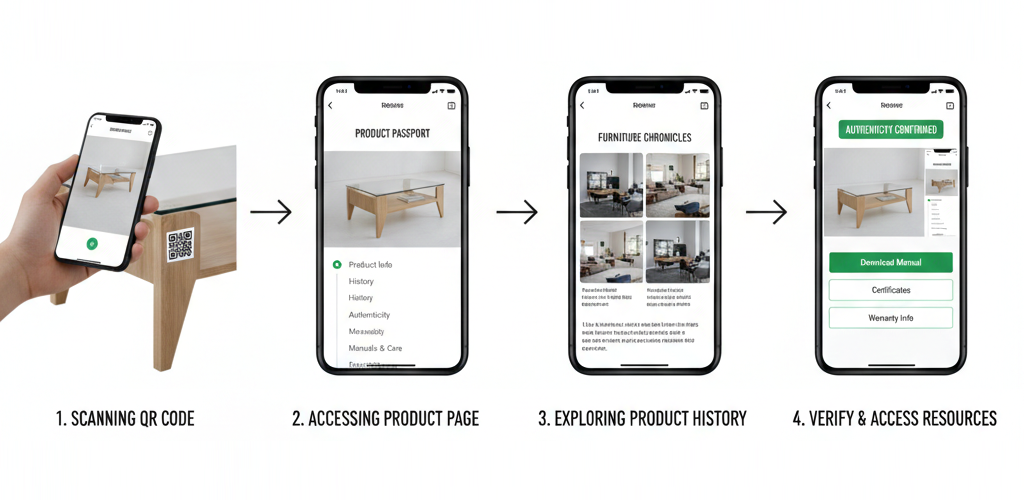
The European Union's Ecodesign for Sustainable Products Regulation (ESPR) mandates Digital Product Passports starting in 2026. These passports must provide standardized data on composition, origin, environmental impact, and circularity.
Story of Product elevates this regulatory requirement into something meaningful. While meeting all compliance obligations declarations, carbon footprint calculations and repairability scores, the platform transforms technical data into compelling narratives that connect people with the origins, craftsmanship, and cultural heritage behind products.
This isn't just regulatory documentation. It's storytelling that satisfies legal requirements while building emotional connections, transforming compliance into competitive advantage.
2024: ESPR regulation adopted
2026: First product categories mandatory
2027-2030: Phased rollout across sectors
Affected sectors: Electronics, textiles, furniture, batteries, construction, packaging
1. Collect & Verify
Gather compliance data (certifications, material safety data sheets, supplier declarations) alongside cultural documentation (artisan interviews, traditional technique records, community narratives).
2. Structure & Standardize
Organize information according to ESPR data requirements and Digital Link standards while preserving the human context and storytelling elements.
3. Enrich & Connect
Link regulatory data points to their human origins, connect a carbon footprint calculation to the renewable energy cooperative that powers production, tie material declarations to the landscapes where resources originate.
4. Present & Engage
Deliver through interactive interfaces like QR codes, NFC tags or web portals, that let stakeholders explore both compliance documentation and the stories that bring products to life.


Cultural Heritage & Craft
Compliance layer: UNESCO intangible heritage documentation, WIPO intellectual property frameworks, geographical indication protections.
Story layer: Indigenous land stewardship practices, traditional harvesting wisdom, community relationships with landscape, cultural significance of materials across generations.

Material Origins & Provenance
Compliance layer: Chain-of-custody documentation meeting EU Conflict Minerals Regulation, geographic coordinates, extraction certifications (PEFC, FSC, Fairtrade, RMI, etc.).
Story layer: Artisan profiles, centuries-old techniques passed through apprenticeships, cultural meaning embedded in design choices, communities whose expertise shapes production.

Supply Chain Transparency
Compliance layer: CSRD supply chain mapping, Due Diligence Directive requirements, Scope 3 emissions tracking, customs and trade documentation.
Story layer: Worker perspectives, factory innovations, logistics partners committed to fair practices, transformation moments where raw materials become refined goods.

Environmental & Circular Impact
Compliance layer: ISO 14067 carbon footprints, PEF methodology assessments, WEEE recycling data, repairability scores, Extended Producer Responsibility documentation.
Story layer: Ecological restoration initiatives, renewable energy transitions, circular design philosophy, repair networks keeping products alive, regenerative material choices.

Cultural & Heritage Organizations
Preserve and share traditional knowledge through proper documentation and attribution. Ensure cultural contributions receive recognition while maintaining intellectual property protections. Connect contemporary commerce with heritage preservation.

Manufacturers & Suppliers
Meet ESPR, CSRD, and Due Diligence Directive obligations with centralized documentation. Streamline audits with verified data (REACH, RoHS, carbon accounting) while showcasing responsible practices and cultural partnerships that differentiate products in competitive markets.

Brands & Retailers
Transform compliance into marketing advantage. Build customer loyalty through verified transparency and authentic storytelling. Demonstrate genuine commitment to sustainability, ethical sourcing, and cultural respect, moving beyond greenwashing to provable impact.

Consumers & Citizens
Exercise your right to product information guaranteed under EU frameworks. Access verified sustainability data and discover the human stories behind purchases. Make choices aligned with values, supporting businesses that demonstrate authentic responsibility.

Electronics: Smartphones, laptops, appliances meeting battery passport and WEEE requirements while showcasing responsible mineral sourcing.
Fashion & Textiles: Clothing, footwear, accessories combining fiber declarations with craft heritage and circular design.
Furniture & Home Goods: Household items blending material transparency with traditional woodworking, ceramics, and textile arts.
Food & Beverage: Packaging with full lifecycle data plus agricultural heritage, terroir, and producer cooperatives.
Transform regulatory compliance into meaningful connections with Story of Product